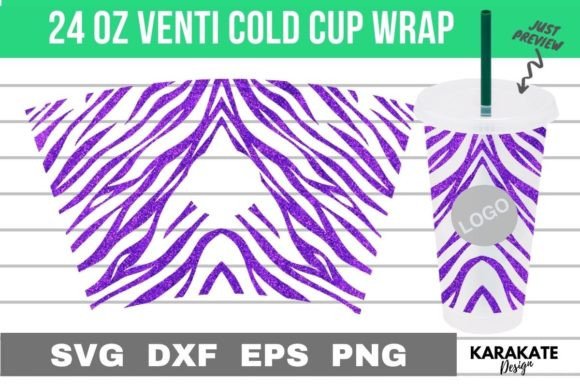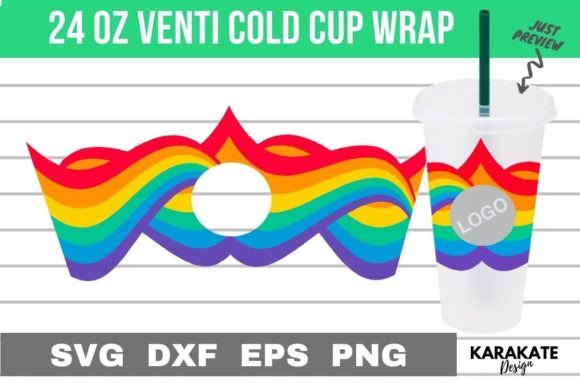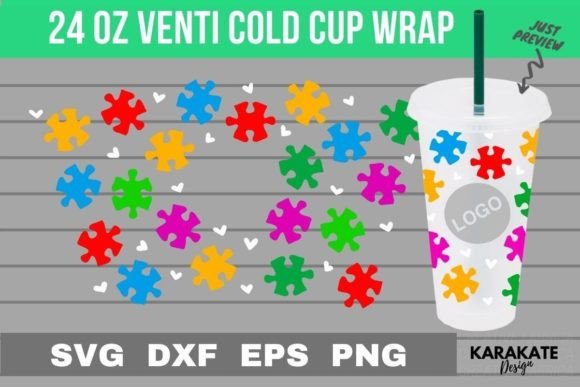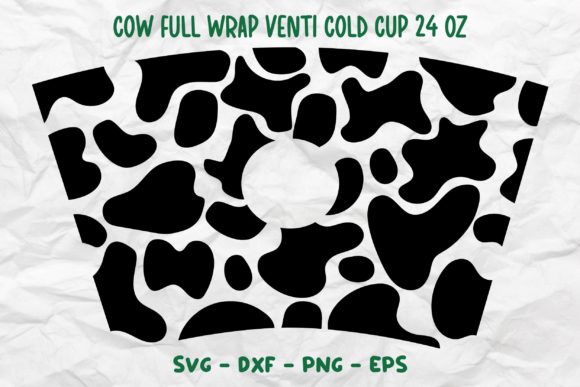
The Dots - 24 Oz Venti Cup Hole Wrap SVG
First impressions: clean, rhythmic, and surprisingly versatile
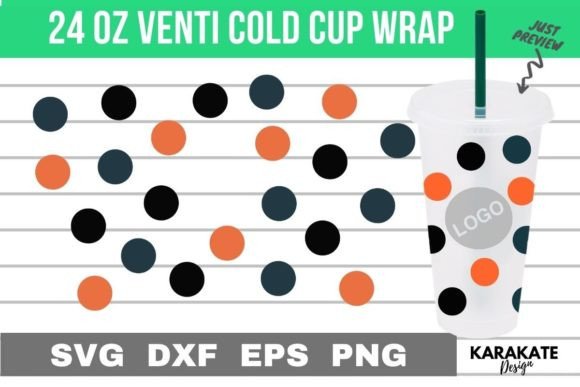
When I first opened The Dots - 24 Oz Venti Cup Hole Wrap SVG, I immediately felt a sense of calm order. The design is exactly what it says—a wrap of dots—but the spacing, the repetition, and the way the pattern would wrap around a cup sleeve gave it a quiet, modern personality. It’s not loud or overly decorative. It’s rhythmic, almost meditative, and that simplicity makes it far more adaptable than a lot of busy motifs I see in the crafts space. For an embroidery designer, that kind of restraint is a gift. It means the design can breathe on a finished product without competing with the garment’s shape or the customer’s eye.
The theme is minimal, contemporary, and gently playful. Because the dots are evenly spaced and the overall layout is a horizontal wrap, I immediately pictured it on a tote bag, a sweatshirt, or even a pillow cover—anywhere a clean, linear accent would add just enough interest. The design doesn’t scream for attention, but it holds it well once you look. That’s the kind of mood I want in a handmade product that feels thoughtful rather than trendy.
Real project fit: a tote bag that customers remember
Let me walk you through a real scenario. I’m preparing a small batch of custom embroidered tote bags for a boutique craft fair. The canvas is natural cotton, medium weight, and the bags will be used daily. I need a design that stitches out cleanly, doesn’t pucker the fabric, and looks intentional even after repeated washes. The Dots - 24 Oz Venti Cup Hole Wrap SVG immediately came to mind because the motif is linear and open. I can position it near the top edge of the tote like a decorative band, or even vertically along a side seam for a surprise detail. Because the design is made for a cup hole wrap, its proportions are already narrow and elongated, which translates beautifully to a tote bag’s long visual field.
When I digitized the SVG into a machine embroidery design, I knew the dots would need a mix of satin stitch for clean edges and maybe a light fill stitch if I wanted them slightly raised. The transparency of the original PNG file (300 DPI) helped me judge density quickly—I could overlay it on a fabric photo and see how the dots would relate to the weave. The pattern didn’t need any alteration to work as an embroidery file; the spacing was already generous, which meant fewer thread breaks and a smoother stitch-out.
Where it performs best in embroidery
This design thrives on projects that benefit from a horizontal, repeating accent. I’ve tested it mentally on several surfaces, and here’s where I’d confidently use it:
- Custom apparel, especially crewneck sweatshirts and T‑shirts. The band of dots across the chest or along the sleeve gives a subtle, premium look. It works well for Etsy sellers who want to offer something minimal but recognizable.
- Kitchen towels and aprons. The cup hole wrap origin makes it a natural for tea towels—it almost hints at coffee culture without being literal. A running stitch version of the dots in a contrasting thread looks charming and homespun.
- Baby clothes and nursery decor. Soft, round dots on a onesie or a crib blanket feel gentle and gender-neutral. The design’s simplicity helps it age well, so it’s not something a parent will outgrow quickly.
- Patches and small accessories. If you reduce the size slightly, the dot pattern can be stitched onto a cap, a makeup pouch, or a hat. The key is to keep the dots distinct enough that they don’t blend into a single blur.
- Boutique branding and commercial embroidery. For a small shop, repeating a dot pattern on packaging previews, printable mockups, or even on employee aprons creates a consistent, professional mood. The fact that the file comes with SVG, DXF, EPS, and PNG formats means you can use it across digital and physical products without re-purchasing.
When to be careful with stitch placement
No design is universal, and The Dots - 24 Oz Venti Cup Hole Wrap SVG has a few considerations that any experienced embroiderer will spot immediately. Because the pattern is built around a hole wrap, the overall shape is a long, narrow strip. That’s wonderful for flat surfaces, but on curved items like caps or heavily structured bags, you’ll need to test the arc. A straight band of dots on a curved cap brim can look forced. I’d recommend mocking it up on a curved surface first, either in software or by printing the PNG and taping it on, to see if the line reads as intentional.
Fabric choice matters too. Here’s what I’d flag:
- Thin or stretchy fabric: The dots, even if stitched lightly, can pull on a jersey knit. Always use a proper stabilizer and consider a running stitch outline before the satin fill to anchor the fabric.
- Dark fabric: The design’s visual clarity depends on contrast. If you’re stitching white dots on a black sweatshirt, the pattern will pop. But if you use a medium tone on a dark background, the dots might recede. Test your thread colors on a scrap of the actual fabric first.
- Small hoop sizes: The wrap is likely designed for a larger hoop, given it’s meant for a 24 oz cup. If you only have a 4x4 inch hoop, you may need to split the pattern or scale it down, which could make the dots too tiny to stitch cleanly. Always confirm your hoop size before starting.
- Layered garments: If you’re stitching on a pocket, a quilted jacket, or a garment with seams, the band might hit uneven terrain. That can distort the dot alignment and make the finished product look sloppy. I’d reserve this design for flat, uninterrupted areas.
Also, products that need frequent washing, like a child’s bib or a kitchen towel used daily, will expose the satin stitch dots to abrasion. The design can handle it if you adjust the stitch density and choose a durable polyester thread, but it’s worth testing a few samples before you commit to a large batch.
How it elevates a handmade product
What I appreciate most about The Dots - 24 Oz Venti Cup Hole Wrap SVG is how it quietly increases the perceived value of a finished product. A simple dot pattern signals that the maker paid attention to composition. On a personalized gift, like a monogrammed tote with a dot band above the name, the design frames the personalization without stealing the show. That kind of restraint builds customer trust—the buyer feels they’re getting something designed, not just decorated.
For craft business owners, this design also helps with brand consistency. You can use the dot motif across multiple product types—a sweatshirt, a tea towel, a baby blanket—and the repetition becomes a subtle signature. I’ve seen small shops build entire collections around a single geometric element, and this dot pattern is strong enough to carry that role. When customers recognize the “dot wrap” from one product to another, engagement and repeat purchases naturally follow.
Giftability goes up too. A set of kitchen towels with this understated pattern, wrapped with a ribbon, feels curated and intentional. It doesn’t scream “homemade” in a crafty way; it says “handmade with care.” That’s the difference between a product someone uses and one they show off.
Practical designer notes before you stitch
If you’re an embroidery designer or a digital product seller, here’s my honest field advice. Do not assume the SVG is ready to stitch right out of the folder. The file set includes SVG, DXF, EPS, and PNG—all excellent for printable mockups and design assets, but you’ll need to digitize the graphic into an actual embroidery file for your machine. That means testing the dot size, spacing, and stitch type. I always run a sample on scrap fabric first, adjusting the stitch density so the dots don’t become bulletproof patches or loose loops.
Check your thread color contrast in both color and black-and-white mockups. The dots should be clearly visible, not just in bright daylight but under indoor lighting where many handmade products are photographed. I also test the design on a light and a dark fabric swatch side by side—sometimes a pattern that looks perfect on cream gets lost on oatmeal, and that’s the kind of detail a customer will notice.
Because the product description doesn’t specify exact stitch counts or machine formats, you’ll need to confirm your own hoop size and whether the design works for both personal and commercial projects. The licensing terms aren’t listed here, so before you sell finished items or offer the digitized embroidery file to others, reach out to the original designer or platform to clarify usage rights. That’s an essential step for any Etsy seller or small shop product owner who wants to stay on the right side of copyright.
Finally, think about the embroidery project as a whole. This design loves negative space, so don’t crowd it with other elements. Let the dots breathe. Whether you’re stitching a single band on a sweatshirt, a double row on a pillow cover, or a subtle accent on a baby embroidery piece, the power of The Dots - 24 Oz Venti Cup Hole Wrap SVG is in its simplicity. It’s not a design that shouts; it’s a design that stays. And in the world of handmade, those are the ones that build a lasting reputation.