Cute Cup Cake Bundle: Embroidery Design Review
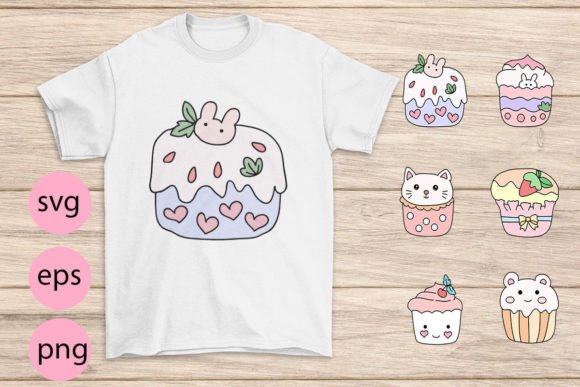
When I first opened the Cute Cup Cake Bundle,svg,eps,png, I immediately smiled. That’s a good sign for any design that will end up on a handmade product. The visual personality is purely joyful — a plump, frosting-topped cupcake with a cherry on top, the kind of graphic that feels like a bakery window in spring. It’s not trying to be overly complex or trendy. It’s simple, readable, and welcoming. If you’re an embroidery designer or a small business owner who stitches for children’s items, kitchen décor, or boutique gifts, this design already has a lot going for it before a single thread is pulled.
I often evaluate digital design assets by imagining how they’ll look after a needle and thread translate them onto fabric. This cupcake bundle isn’t an embroidery file — it’s a collection of vector and raster graphics: one SVG, one EPS, and one PNG, all sized at 12×12 inches with 300 dpi. That’s important to clarify upfront, because anyone expecting a ready-to-stitch machine embroidery design will need to take an extra step. But for a digitizer, these files are excellent raw material. The SVG and EPS give you clean, scalable line work that can be imported directly into embroidery software to create satin stitches, fill stitches, and running stitches. The PNG serves as a high-resolution preview for mockups, which is a huge help when you’re listing products online or showing a client what the finished project will look like.
First Impressions and the Mood It Creates
The shape is compact and balanced. The cupcake base is slightly tapered, the frosting is billowy, and the cherry sits on top like a punctuation mark. There’s a light, celebratory feeling here — it’s sweet without being juvenile, and that broad appeal matters. I can picture this on a linen apron for a home baker, on a tiny onesie for a first birthday, or centered on a tote bag for a farmers’ market. The design doesn’t rely on tiny text or intricate internal details that would turn into a muddled mess under thread. That’s a relief. Too many supposedly “cute” graphics fall apart when you reduce them to a 4×4 hoop and try to stitch them out. This one, with its clear silhouette and uncluttered interior, stands a much better chance of holding up.
When I think about the mood, it’s definitely nostalgic and cheerful. It reminds me of vintage bakery signs, but with a modern, clean edge. That blend makes it versatile. You could pair it with a script font for a personalized kitchen towel, or use it as a standalone patch on a denim jacket pocket. The emotional response it triggers is simple: it makes people feel like celebrating something small and good. That’s exactly the kind of connection a handmade product should create.
Real-World Embroidery Application: A Tote Bag Test Case
Let me walk you through a real scenario I’m considering. I have a client who runs a small cupcake shop and wants custom embroidered tote bags for her best customers. She wants something whimsical but not too cartoony, and colors that can match her brand palette. I’d take the SVG from this bundle, open it in my digitizing software, and map out the stitch areas. The frosting would work beautifully as a dense satin stitch with a slight curve, giving it dimension. The cupcake liner could be a lighter fill stitch with vertical running stitches to mimic the pleats. The cherry would be a smooth satin stitch in a bright red, and maybe a tiny seed stitch for a highlight. Since the original file is 12×12 inches, I can scale it down to around 5 inches wide for the tote bag without losing any essential detail. That’s a sweet spot for a design that needs to be noticed but not dominate the entire bag.
On a sturdy cotton canvas, with a medium-weight cutaway stabilizer, I’d expect the stitching to look crisp and professional. The SVG’s clean lines mean I won’t have to do a lot of node editing before generating the stitch file. That saves time. And if I want to offer a set — maybe a matching tea towel or a small zip pouch — I can use the same digitized design at different sizes. The consistency across products builds a cohesive brand look, and that’s something customers notice.
Where the Design Shines in Finished Products
This cupcake graphic is naturally suited to a wide range of embroidery projects. I’ve been mentally listing the possibilities:
- Custom apparel: sweatshirts, t-shirts, and baby bodysuits. The design is gender-neutral and seasonless, so it works for a birthday gift or a “just because” treat.
- Kitchen textiles: tea towels, aprons, and pot holders. A cupcake on a kitchen towel feels cheerful and purposeful, and it’s a staple at craft fairs.
- Tote bags and pouches: the rounded shape fills a bag panel nicely without awkward negative space.
- Patches: digitize with a border and you have an iron-on or sew-on patch that kids love on backpacks or jackets.
- Pillow covers and nursery décor: a soft color palette makes this a sweet accent for a child’s room or a cozy reading nook.
- Holiday and party gifts: embroidered on a napkin set for a birthday hostess, or on a bib for a baby shower.
The design’s clarity also makes it a strong candidate for printable mockups and digital product previews. The PNG file is already 300 dpi, so dropping it into a mockup of a pillow or a tote bag creates a realistic preview for Etsy listings. That’s a time-saver when you’re launching a new product line.
Practical Considerations Before You Stitch
Every design has its sensitive spots, and this one is no exception. The most important thing is that this is not a machine embroidery design file. You won’t find a .pes, .dst, or .jef in the zip folder. You get the graphic assets, and you or your digitizer will need to create the stitch file. That’s not a flaw — it’s simply the nature of the product category, which is Illustrations and Graphics. But I’ve seen too many crafters buy a pretty SVG thinking it’s ready to load onto a USB stick and stitch. It isn’t. So go in with that understanding.
If you’re digitizing it yourself, pay attention to the small details. The cherry stem and the little sprinkles on the frosting, if present in the version you’re using, might become problematic at smaller sizes. Thread can build up quickly in tiny areas, causing thread breaks or a bulky texture. Consider simplifying those elements or using a finer thread for detail work. I’d also recommend testing the design on scrap fabric first, especially if you’re planning to stitch on stretchy fabric like a t-shirt or onesie. Use a fusible mesh stabilizer to prevent puckering, and hoop carefully.
Fabric texture makes a difference too. On a thick terrycloth towel, the loops can swallow the stitch definition, so you might need a water-soluble topping. On dark fabric, the frosting colors might need to be lighter or brighter to pop. The PNG preview is a good starting point for thread color selection, but I always test a few thread swatches on the actual fabric before committing to a full stitch-out.
If you’re planning to use this design on a cap or a curved surface, be extra cautious. The cupcake’s wide base and rounded top could distort if not properly digitized for a cap frame. I’d stick to flat or mildly curved surfaces for the cleanest result.
The Business Angle: Selling Products with This Design
For Etsy sellers, craft fair vendors, and small shop owners, the Cute Cup Cake Bundle,svg,eps,png offers a lot of commercial potential. The design is instantly recognizable, emotionally warm, and appeals to a broad audience. When you embroider it onto a product, you’re not just adding a graphic — you’re adding a feeling. That’s what buyers respond to.
I’d use this design to create a whole line of coordinated products: a baby bib, a burp cloth, a mama-and-me set of matching tees. The consistency builds brand recognition. Customers who buy one item often come back for another when they see the design translates well across different products. And because the SVG is vector-based, you can scale it without losing quality, which is a huge advantage when you’re planning a product range.
However, check the licensing terms before you sell anything. The product description doesn’t explicitly state if the files come with a commercial use license for finished embroidery products. Most graphic bundles intended for Cricut and Silhouette allow personal and small commercial use, but you need to verify. If you’re selling the digitized embroidery file itself, that’s often a different story. Never assume. Reach out to the seller if the terms are unclear. Protecting your business means doing your due diligence.
Handling the File Formats: What You Get and How to Use It
This bundle is straightforward: 1 SVG, 1 EPS, 1 PNG, all in one zip folder. The SVG is your primary working file for embroidery digitizing. It’s a vector format, so you can import it into most embroidery software, resize it without pixelation, and assign stitch types to the paths. The EPS is also vector, useful if you’re working in Adobe Illustrator or CorelDRAW before transferring to embroidery software. The PNG is a raster image at 300 dpi, perfect for creating mockups, printing a reference sheet, or using as a design preview in online listings.
Since the image size is 12×12 inches, you have plenty of resolution to work with. For embroidery, you’ll likely scale it down significantly — to something like 4×4, 5×7, or 6×10 inches depending on your hoop. The design’s shape is forgiving when scaled; it doesn’t have extremely thin lines that would disappear, nor does it have overly complex fills that would become dense. Still, always review the stitch preview in your software before you send it to the machine.
One thing I appreciate: having the SVG and EPS means I can easily separate elements if I want to create an applique version. For example, I could stitch the cupcake base as a fabric applique, then add the frosting and cherry as embroidery on top. That’s a technique that reduces stitch count and gives a lovely tactile finish. The clean lines of this design make it a great candidate for that approach.
Thread Colors, Texture, and Stitch Planning
Choosing thread colors is a big part of the design’s success. The PNG gives a starting point, but I’d suggest sampling a few variations. A pastel frosting in mint green or soft pink feels fresh, while a chocolate brown base with cream frosting gives a more classic bakery look. If you’re stitching for a baby item, you might go with muted tones; for a holiday product, deeper reds and golds. The design’s simplicity means you can adapt the palette to fit the season or the customer’s request without losing the core identity.
In terms of stitch types, I’d plan for a satin stitch on the cherry and any outlines, a fill stitch for the frosting with a slight angle change to suggest texture, and a lighter fill for the cupcake wrapper. If the design includes sprinkles, I’d use small running stitches or skip them entirely if the size is below 4 inches. The key is to keep the stitching balanced — too much density in one area can cause puckering, especially on lightweight fabrics like cotton lawn or jersey.
When to Be Extra Careful
There are a few situations where this design might need extra attention:
- Small hoop sizes: a 4×4 hoop might be tight if the design is detailed. Scale it to 3.5 inches or less and test for thread breaks.
- Textured fabrics: waffle weave, terrycloth, or heavily napped fabrics can blur the edges. Use a topping and a sharp needle.
- Thin or stretchy fabric: always stabilize well. A cutaway stabilizer gives the best long-term support for wearable items.
- Dark backgrounds: the frosting and cherry might need a lighter underlay or an extra layer of thread to stand out.
- Curved surfaces like caps: digitize with a center-out approach and test on a similar curve before running a final piece.
I’ve learned that even the cutest design can disappoint if the technical execution isn’t right. But the Cute Cup Cake Bundle,svg,eps,png gives you a strong foundation to work from, and most of the common pitfalls are manageable with a bit of testing.
How It Elevates the Finished Product
When a customer picks up a hand-embroidered tote bag or a personalized baby blanket, they’re not just evaluating the stitching — they’re reacting to the overall impression. A design like this one adds a sense of care and whimsy that generic clip art can’t match. It feels intentional. It tells a story. That’s what separates a professional handmade product from a hobby project.
The cupcake theme is timeless, too. It’s not tied to a fleeting trend, so products you create today will still feel relevant next year. For a small business, that kind of longevity reduces the pressure to constantly refresh your design library. You can build a recognizable collection around it, and customers will start to associate your brand with that cheerful, dependable quality.
I’d use this design on items that are meant to be given as gifts — because the imagery is universally understood as a treat. It’s a small celebration in thread form. And when you present it on a high-quality product, with neat stitching and thoughtful color choices, the perceived value jumps. Buyers are willing to pay more for something that feels personal and well-made.
Final Thoughts for the Embroidery Designer
After evaluating the Cute Cup Cake Bundle,svg,eps,png from every angle I can think of, I see it as a solid, versatile design asset for anyone willing to digitize it. It’s not a plug-and-play embroidery file, but for a designer who knows how to work with vector graphics, it’s a real gem. The mood is uplifting, the shape is embroidery-friendly, and the product possibilities are wide open. I’d recommend it for custom apparel, patches, kitchen linens, nursery items, and any handmade project where a little sweetness can make a big difference.
Just remember: test on scrap fabric, check your stitch density, choose stabilizer wisely, and always confirm licensing before selling. If you put in that preparation, this design can become a reliable, charming part of your embroidery collection. And honestly, who wouldn’t smile at a perfectly stitched cupcake on a tote bag? That’s the kind of reaction that keeps customers coming back.