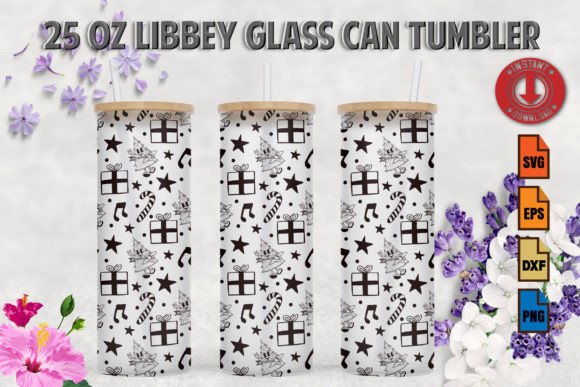
Christmas Tree SVG for Libbey Glass Can Graphics & Crafts
When a new seasonal graphic lands on my screen, I immediately picture it inside a real blog layout—not just as a standalone design, but as a featured image, a Pinterest pin, or a newsletter header. The Christmas Tree SVG 16oz Libbey Glass Can file does something that many craft‑oriented assets miss: it brings a warm, retro editorial mood that can elevate the feel of an entire content page. It’s not just a cut file for a tumbler; it’s a visual storytelling tool for publishers who want their holiday content to feel both nostalgic and polished.
The first impression is all about texture and personality. The design leans into a retro vintage line style—think hand‑drawn charm, slightly playful curves, and a silhouette that feels like a mid‑century Christmas card. That kind of aesthetic instantly makes a blog feel more inviting. For niche sites focused on lifestyle, home décor, slow living, or family traditions, this graphic can create a visual shorthand for cozy, handmade quality. It’s the sort of asset that makes a reader think, “This site gets winter.”
A Vintage Holiday Vibe That Feels Right at Home in a Blog Layout
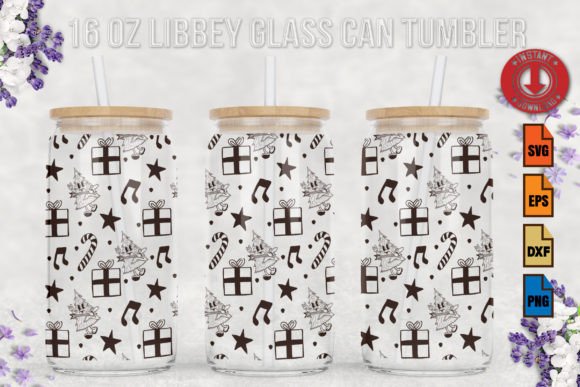
What I like most about the Christmas Tree SVG 16oz Libbey Glass Can design is how it bridges the gap between a craft product and a true graphic design asset. The file comes as an instant download, including SVG, EPS, DXF, and a PNG version—all originally intended for sublimation on a 25oz Libbey glass can tumbler. But once you open the SVG, you realize it’s a standalone illustration that can be recolored, resized, and placed directly into a blog header, sidebar widget, or digital guide. The retro lines stay crisp at any scale, which is a huge win for web designers who need graphics that look sharp on retina screens and in print‑ready PDFs.
From Tumbler Wrap to Content Hero: My First Editorial Test
I dropped the PNG into a draft blog post about easy holiday DIY projects, using it as a hero image background with a white overlay and a serif headline on top. The result felt like a magazine spread. The tree’s silhouette gave the page a strong visual anchor without competing with the text. That’s the kind of visual hierarchy I’m always chasing—an image that supports the headline instead of overwhelming it. The design’s moderate complexity means it reads well even when scaled down to a blog thumbnail, which is critical for category pages and related‑post grids.
How the Christmas Tree SVG Fits a Real Content Publishing Workflow
For bloggers and content marketers, an asset like this isn’t just decoration—it’s a performance tool. I mapped out a typical publishing workflow and found multiple high‑impact touchpoints where the Christmas Tree SVG 16oz Libbey Glass Can graphic could improve reader engagement.
- Blog featured images – Use the tree as a focal point with a soft gradient background and bold title text. It creates a consistent seasonal theme across all December posts.
- Pinterest pins – The retro silhouette stands out in a feed full of glossy photos. Pair it with a short, punchy text overlay and a warm color palette to boost click‑throughs.
- Newsletter headers – A simplified version of the tree in the email banner ties the message to the holiday season without feeling generic.
- Digital guides and lead magnets – Inside a printable holiday planner or a recipe eBook, the tree can act as a section divider, chapter marker, or cover art element.
- Social media graphics – Instagram stories, Facebook post backgrounds, and even TikTok thumbnails benefit from a cohesive, hand‑drawn icon that reinforces brand identity.
- Affiliate content visuals – If you’re rounding up gift guides or craft supplies, the tree graphic can unify product images and make the page feel curated rather than cluttered.
In every case, the asset does more than fill space. It adds a layer of editorial quality that signals to readers that the publisher cares about presentation. That trust translates into longer time on page, lower bounce rates, and a higher likelihood of sharing or saving the content.
Where This Graphic Shines (and Where It Might Struggle)
No design asset is perfect for every context. The Christmas Tree SVG 16oz Libbey Glass Can file works beautifully in hero images, article thumbnails, Pinterest pins, and downloadable resources. Its retro personality makes it ideal for lifestyle blogs, craft websites, parenting niches, and any content that leans into a warm, homemade aesthetic. It’s also a strong candidate for Canva templates and commercial design projects where you want to offer a cohesive seasonal bundle.
However, I’d be cautious about placing it in very small mobile thumbnails without removing the fine details. The SVG’s line art is crisp, but on a tiny screen, some of the inner branches might blur together. A quick test on a phone preview is essential. I also wouldn’t use it on a text‑heavy, minimalist corporate blog that requires ultra‑clean, sans‑serif‑only visuals. The vintage vibe could feel out of place next to a stark modern layout. Similarly, if your brand relies on photography‑driven storytelling, the illustrated tree might clash unless you treat it as a deliberate accent rather than the main image.
Checking Contrast and Readability Before Publishing
One trick I always use: I place the graphic on a low‑contrast background, like a pale gray or soft cream, and overlay a sample headline. The tree’s silhouette holds up well because of its defined outer shape, but the internal details can disappear if the background is too dark or if the image is reduced to a tiny size. I also test it in black and white mode to see if it still communicates “Christmas” without the festive colors. The good news is that the retro‑style lines are distinct enough to work even in monochrome, which is a sign of a well‑designed icon.
File Types, Scalability, and Web Performance: A Publisher’s Checklist
The download includes exactly what you need for a mixed‑media publishing workflow. The SVG file is the star—it’s lightweight, infinitely scalable, and easy to edit in any vector software. The EPS format gives you extra flexibility for professional print projects, while the DXF file caters to crafters who use cutting machines. The PNG offers a quick‑insert option for blog posts and social media. I always optimize the PNG (compress it to WebP or use TinyPNG) before uploading to a website, because page speed is a ranking factor and a reader experience must. A 100KB PNG is far better than a 1MB file for a blog graphic.
From a licensing perspective, I always recommend checking the seller’s terms before using this graphic design asset on monetized websites, affiliate pages, or in paid digital products. Most commercial‑use licenses allow you to incorporate the design into downloadable resources, but you’ll want to confirm that you can modify and redistribute it as part of your own creations. For content creators who sell printable planners, digital stickers, or themed Canva templates, this clarity is non‑negotiable.
Pairing the SVG with Typography and Color Palettes
One of the most enjoyable parts of using a retro vintage illustration is experimenting with font pairings. I tried the tree alongside a classic serif font (like Playfair Display) and the result was a timeless, editorial look perfect for a holiday recipe blog. With a handwritten script font, it felt more crafty and personal, ideal for a family newsletter. Even a clean sans‑serif heading worked well when I wanted a modern‑meets‑nostalgia contrast. The tree’s rounded, organic shapes balance out rigid typography beautifully.
Color‑wise, the SVG is a blank canvas. I pulled a palette of forest green, warm gold, and soft cream directly from the vintage mood board. On a lifestyle blog, those colors can tie the header to product images and affiliate links seamlessly. For a more playful brand, swapping in bright red and teal gave the tree a whimsical feel without losing its retro soul. This adaptability is what makes a digital download like this far more valuable than a single‑use template.
The Role of Seasonal Graphics in Building Reader Trust and Visual Identity
When a blog consistently uses a recognizable seasonal graphic across its content, it builds a visual rhythm that readers start to anticipate. The Christmas Tree SVG 16oz Libbey Glass Can design can become that signature element for December—a small but mighty part of your brand identity. I’ve seen publishers use the same tree illustration for blog headers, email series, and printable holiday checklists, and the repetition creates a sense of reliability. It tells the audience that this site is intentional about its design, which in turn boosts trust and encourages them to bookmark or subscribe.
This kind of visual consistency also supports affiliate marketing efforts. When a product roundup or gift guide looks professionally designed, readers are more likely to click through and make a purchase. The tree graphic acts as a subtle endorsement of quality, making the entire page feel curated rather than slapped together. That’s a direct content performance benefit that many publishers overlook.
Practical Tips for Testing and Optimizing Before You Publish
Before you upload the graphic to your live site, run through a quick checklist inspired by years of content publishing:
- Preview on desktop and mobile – Check the featured image at 1200px wide and also as a 200px thumbnail. The tree should still look like a tree, not a blob.
- Test inside a real blog template – Place the image in your actual post layout, with a headline, excerpt, and sidebar. Does it fight for attention or complement the text?
- Experiment with text overlays – Add a sample headline, subheadline, and button text. Ensure the contrast is high enough for readability, especially over the tree’s detailed areas.
- Try it in black and white – This helps you assess whether the shape alone carries the concept. A strong silhouette always works better for small screens and accessibility.
- Compress the image – Use WebP format for the PNG, and keep the SVG inline in your HTML if possible to reduce HTTP requests. Page speed is editorial UX.
- Check license terms – Confirm that you can use the design on commercial pages, in email marketing, and inside downloadable products. If unclear, reach out to the seller.
Final Thoughts on Using the Christmas Tree Design for Multi-Platform Content
The Christmas Tree SVG 16oz Libbey Glass Can file is a deceptively versatile creative design asset. While it’s marketed primarily for crafts and sublimation, its real power for publishers lies in its ability to humanize a blog layout, add editorial charm, and unify a seasonal content strategy. From a single PNG placed in a newsletter to a full‑color SVG used across an entire holiday guide, this graphic can become the quiet workhorse of your December publishing calendar.
For digital marketers, small business owners, and creative entrepreneurs who want their content to feel more polished and clickable, it’s a smart addition to the toolkit. Just remember to treat it like any other web design element—test it, optimize it, and pair it thoughtfully with your brand’s voice. When you do, the result is a website that feels like a warm, curated space, and that’s exactly the feeling that keeps readers coming back long after the holiday season ends.